Cutting-edge Styles and Inspired Influences in Current Dance Floor Wrap Designs
Wiki Article
Innovative movements in modern floor coverings have redefined the way studios and venues handle flooring installation. Floor coverings are no longer just functional materials; they are an essential part of the aesthetic and functional experience for dancers. New developments in surface innovation, such as non-slip synthetic and modular laminate layers, provide both longevity and protection while enabling for complex patterning and color variation. Designers are incorporating interchangeable solutions that enable quick installation and removal, supporting multi-use spaces and reducing long-term maintenance costs. These movements demonstrate a strong emphasis on practicality paired with visual value, rendering floor coverings both useful and visually striking.
Artistic inspirations in contemporary floor designs have emerged from multiple artistic fields, including architecture, graphic design, and space styling. Linear forms, visual effects, and dynamic shading patterns are now commonly used to floor coverings to form engaging settings that support performance. These designs are crafted not only to catch the viewer but also to support the dancer’s spatial awareness, assisting dancers maintain alignment and orientation during complex routines. related concepts such as spatial design, perceived dimension, and motif cycles illustrate the practical considerations that inform these innovative designs. By drawing inspiration from varied creative disciplines, designers are crafting wraps that blend aesthetics with utility.
Protection and performance remain critical aspects in the design of contemporary dance floor wraps. Advanced cushioning materials and anti-slip finishes are being used to reduce the risk of injury during jumps, turns, and elevations. These safety elements are often paired with detailed visual designs, showing that protection improvements do not need to limit design quality. Many studios are opting for wrap materials that are moisture-resistant and easy to clean, maintaining hygiene conditions are upheld without reducing visual appeal. The combination between protection and artistic expression underscores the importance of technical knowledge in designing dance surfaces for dance spaces.
Sustainability and adaptability are becoming central considerations in the production of contemporary dance floor wraps. Eco-friendly materials, including recycled polymers and low-VOC finishes, are increasingly applied to reduce environmental impact while maintaining helpful site performance standards. Additionally, interchangeable floor designs enable spaces to update designs and colors seasonally or for specific performances, offering versatility that extends the lifespan of the surface. Terms such as sustainable design, adaptable surfaces, and interchangeable wraps highlight how green design and practical flexibility are shaping the latest trends. This approach aligns with broader movements in interior design and venue management that value both usability and environmental care.
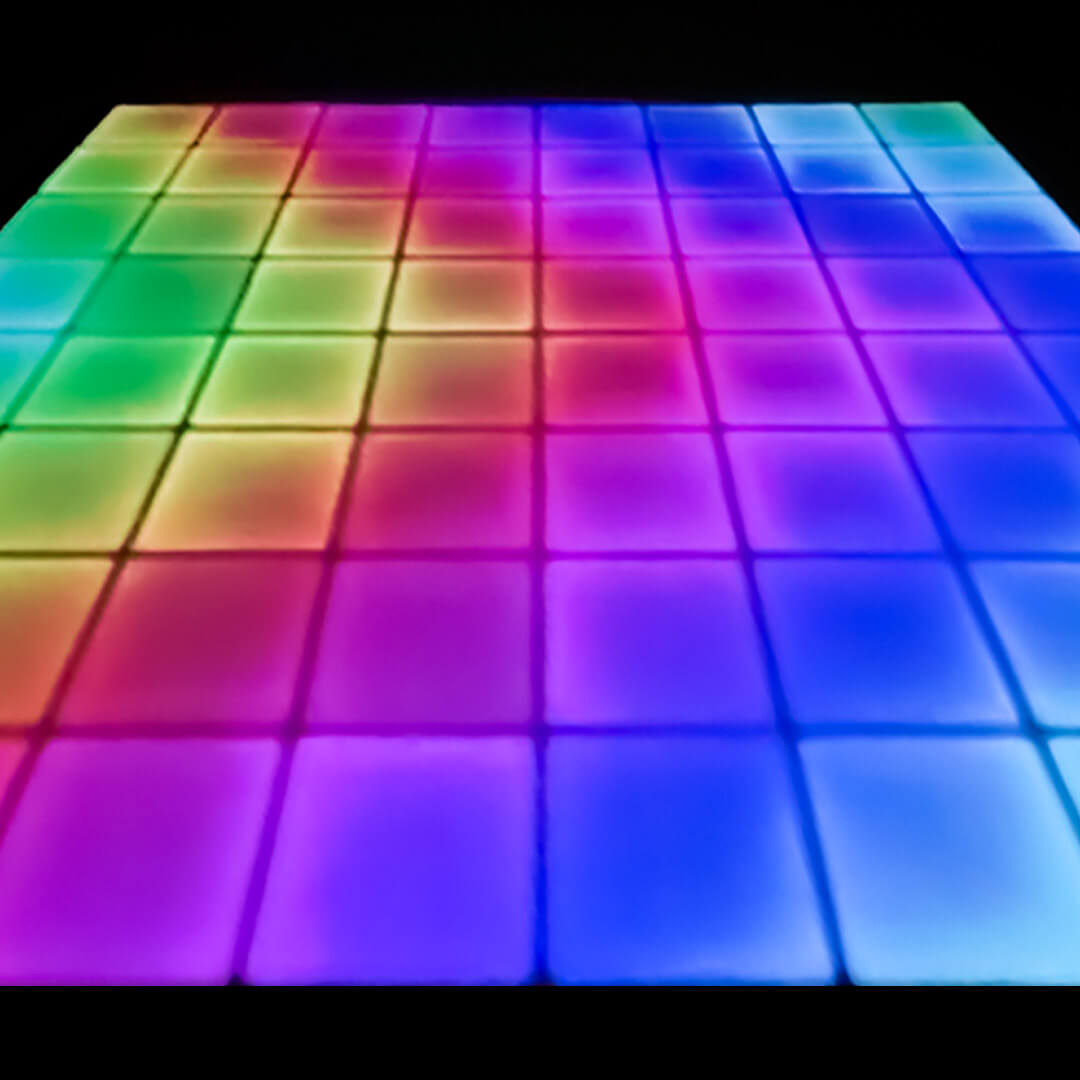
Finally, the integration of technology has introduced new possibilities for creative dance floor wrap designs. Digital printing, laser cutting, and embedded lighting systems enable for tailored designs and responsive elements. These innovations can produce impactful effects that respond to movement, enhancing the complete dance environment for performers and audiences alike. By merging technical innovation with artistic expression, contemporary floor coverings offer a distinctive platform for Continued creativity in performance spaces. The evolution of these floor coverings demonstrates the interaction of material technology, design innovation, and artistic inspiration, setting new standards for modern dance environments.